

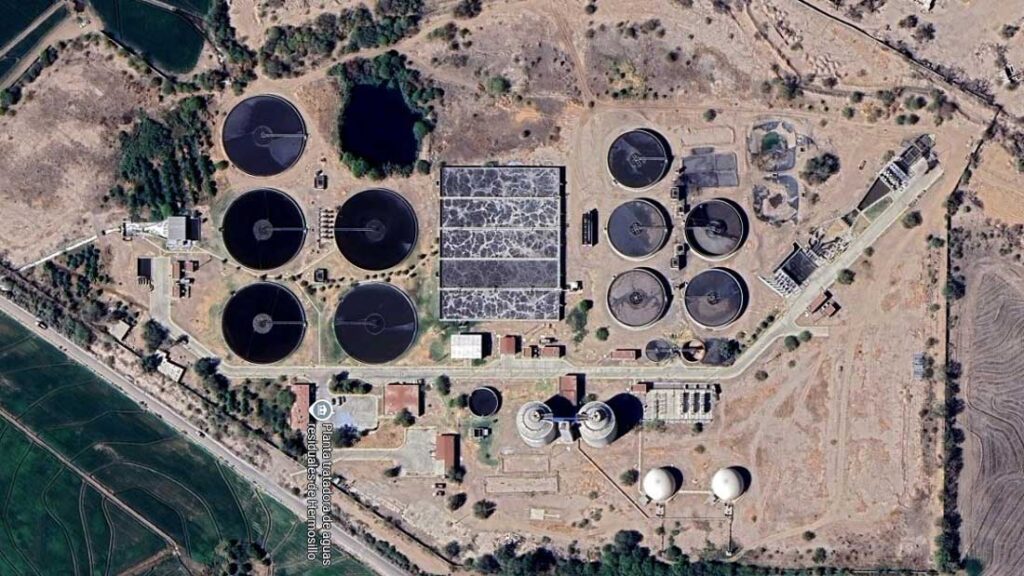
Wastewater & Water Scarcity Crisis
Roughly 80% of global wastewater is currently discharged entirely untreated into our waterways, triggering massive pollution and structural strain.
Concurrently, agricultural infrastructure wastes up to 50% of it’s fresh water withdrawals, accelerating food insecurity and regional scarcities issues globally.
Decentralized, Scalable Water reclamation
We design and deploy high-capacity decentralized wastewater treatment systems and triple bioreactor units to process water resources locally.
This infrastructure sanitizes greywater, blackwater and industrial runoff, transforming a costly liability into clean, usable water assets.
BENEFITS
Rapid Electrocoagution
Advanced chemical-free processing cleans and extracts complex dyes and intense organic pollution from water loops in under one hour.
Adaptable Bioreactors
Built on our proprietary triple bioreactor design, allows real-time modifications to maximize specific structural filtration yields.
Large-Scale Load Capacity
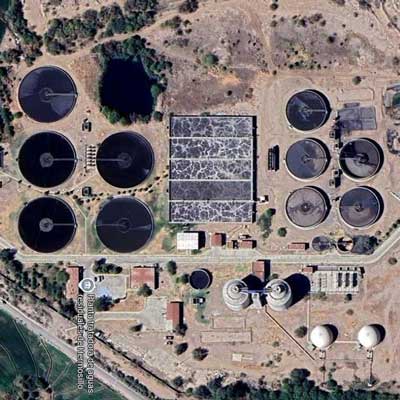
Highly scalable layouts can handle heavy volumes, with existing operational configurations managing up to 2,500 liters per second.
Complete Sewage Elimination
Completely eradicates toxic sewage residue volumes while purifying regional rain, lake, and river resources into drinkable output water.
Why Choose Tekmann Ecological Systems?
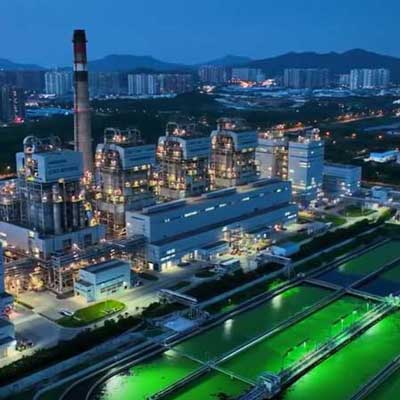
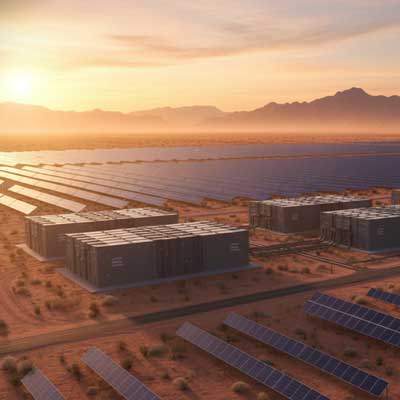
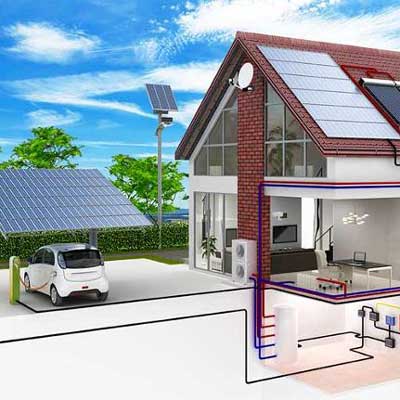
Our solutions are holistically integrated, thus eliminating liabilities while ensuring energy, water, and food sovereignty.

Water Solutions FAQ
What makes Tekmann's electrocoagulation processing unique compares to old treatment methods?
Traditional filtration relies on heavy chemicals and long sedimentation loops. Our system uses advanced electrocoagulation to break down and lift organic pollutants and chemical dyes out of the flow entirely in less than an hour.
Can your water purification setups handle high-volume industrial or agricultural demands?
Yes. Our infrastructure is engineered to scale from small communities to massive operations, with our largest operational biogas and activated sludge plants processing up to 2,500 liters per second.
How does the Water Solutions module integreate with Tekmann's other solutions?
Tekmann’s Ecological System (TES), waste water and activated sludge are collected and continuously cleaned. The resulting purified water is reused for local irrigation, while recovering biogas and solid sludge is fed back into thermal units to create electricity.